
AI is not a distant dream reserved for elite engineers. Everyday people with curiosity, an iPhone, and the willingness to learn are already building six‑ and seven‑figure income streams. The pattern is simple: attention first, then monetization. This guide lays out ten concrete, ordered paths you can follow—starting with the easiest and moving to the hardest—so you can pick one, commit, and build real income with AI in 2026.
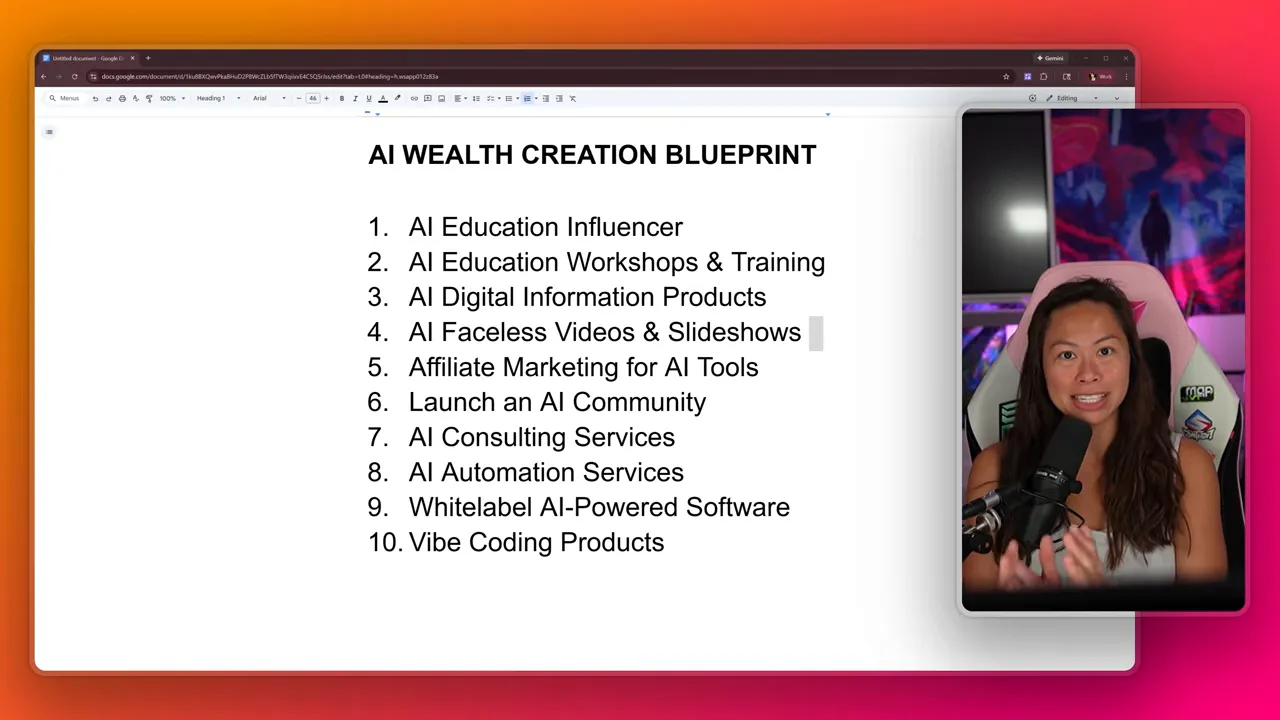
Table of Contents
- How to use this blueprint
- Key principle: attention before product
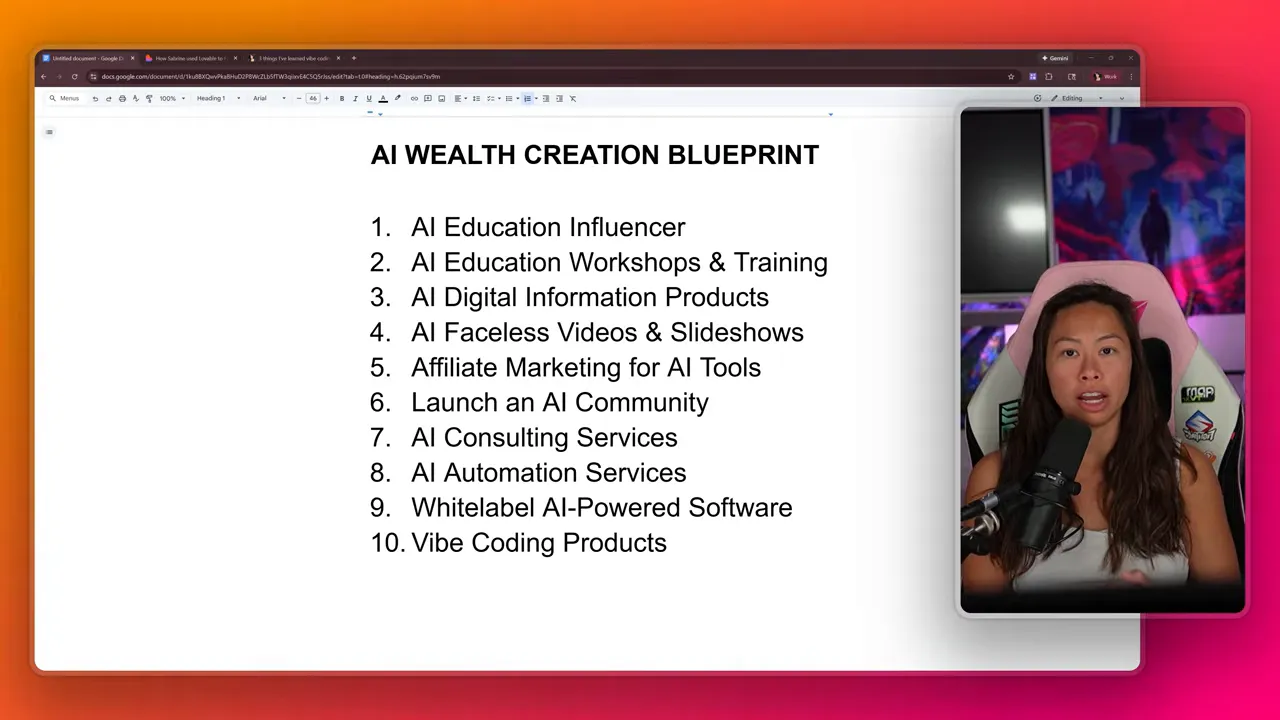
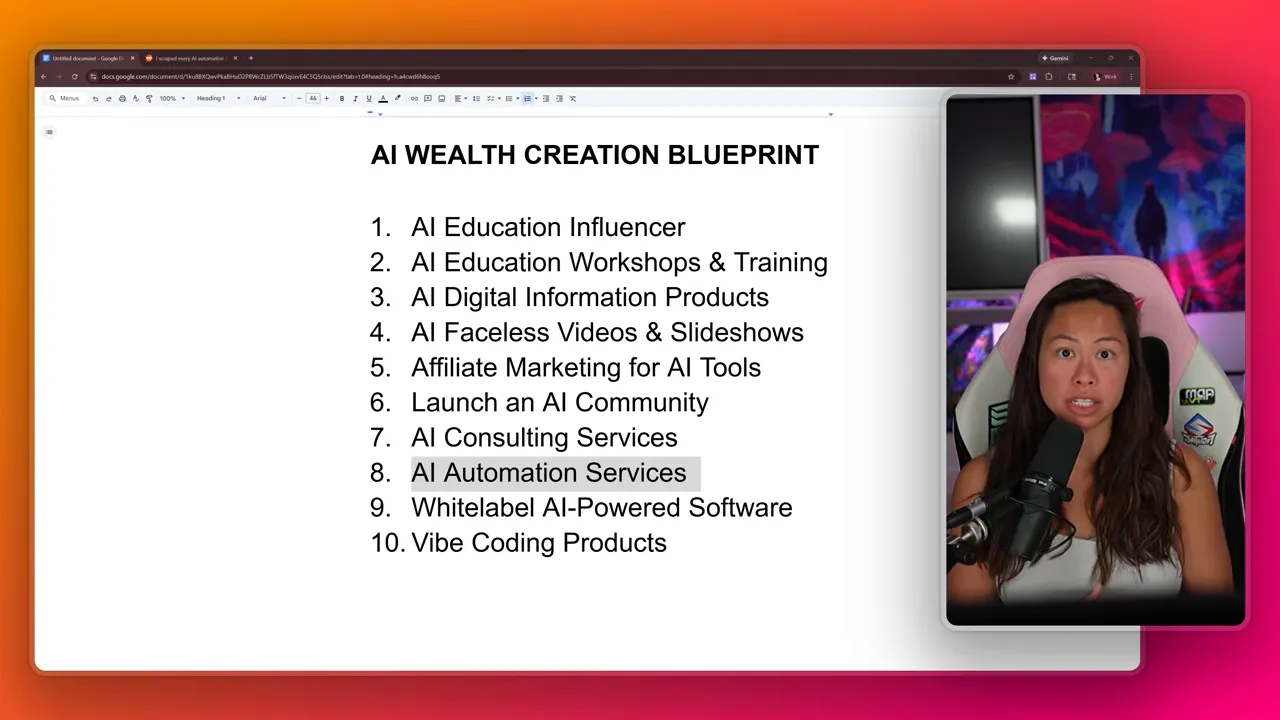
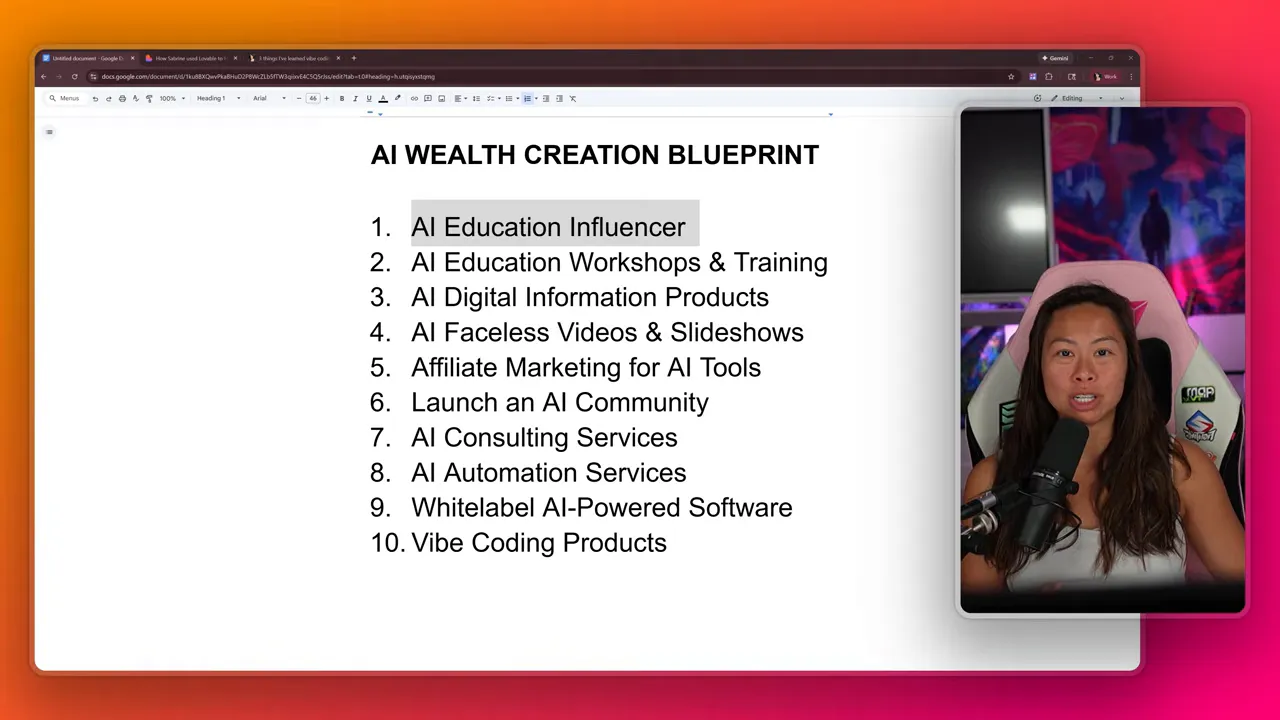
- Summary of the 10 paths (in order)
- Path 1 — AI education creator and influencer (start here)
- Path 2 — Paid workshops, training, and speaking
- Path 3 — Sell AI digital information products
- Path 4 — Faceless AI videos and slideshows
- Path 5 — Affiliate marketing for AI tools
- Path 6 — Launch an AI community
- Path 7 — AI consulting services (no code required)
- Path 8 — AI automation services and agencies
- Path 9 — White labeling AI software for specific verticals
- Path 10 — Vibe coding and AI‑assisted product builds
- The AI wealth creation flywheel
- Distribution: why social first matters
- Mindset and timeline
- Specific tactical advice: next 30 days
- Tools to learn by path
- Examples and screenshots for inspiration
- Common pitfalls and how to avoid them
- How the money typically flows
- Final checklist before you start
- FAQ
- Closing notes
How to use this blueprint
Every path in this guide works better when you begin by documenting what you learn and building an audience. The core loop is intentionally simple and repeatable: learn something about AI today, and share what you learned tomorrow. Do that consistently, and the audience, opportunities, and revenue options follow naturally.
This is not a list of theoretical ideas. These are proven routes people are using right now, with case studies and revenue examples sprinkled through each section. Each path includes what it is, why it works, what tools to learn, pitfalls, and a clear starter plan you can execute in the next 30 days.
Key principle: attention before product
Most people think they must build a product to make money with AI. That’s backwards. The money often follows the attention. People pay for clarity and practical steps, not perfection. If you can teach, test, or simply document your learning in public, you already have an unfair advantage.
People don’t want complexity from experts. They want to learn from people who are real.
Summary of the 10 paths (in order)
- AI education creator and influencer
- Paid workshops, training, and speaking
- Sell AI information products (templates, prompt packs, courses)
- Faceless AI videos and slideshow funnels
- Affiliate marketing for AI tools
- Paid AI communities
- AI consulting (nontechnical advisory)
- AI automation services and agencies
- White labeling AI software for verticals
- Vibe coding and building AI‑assisted products
Path 1 — AI education creator and influencer (start here)
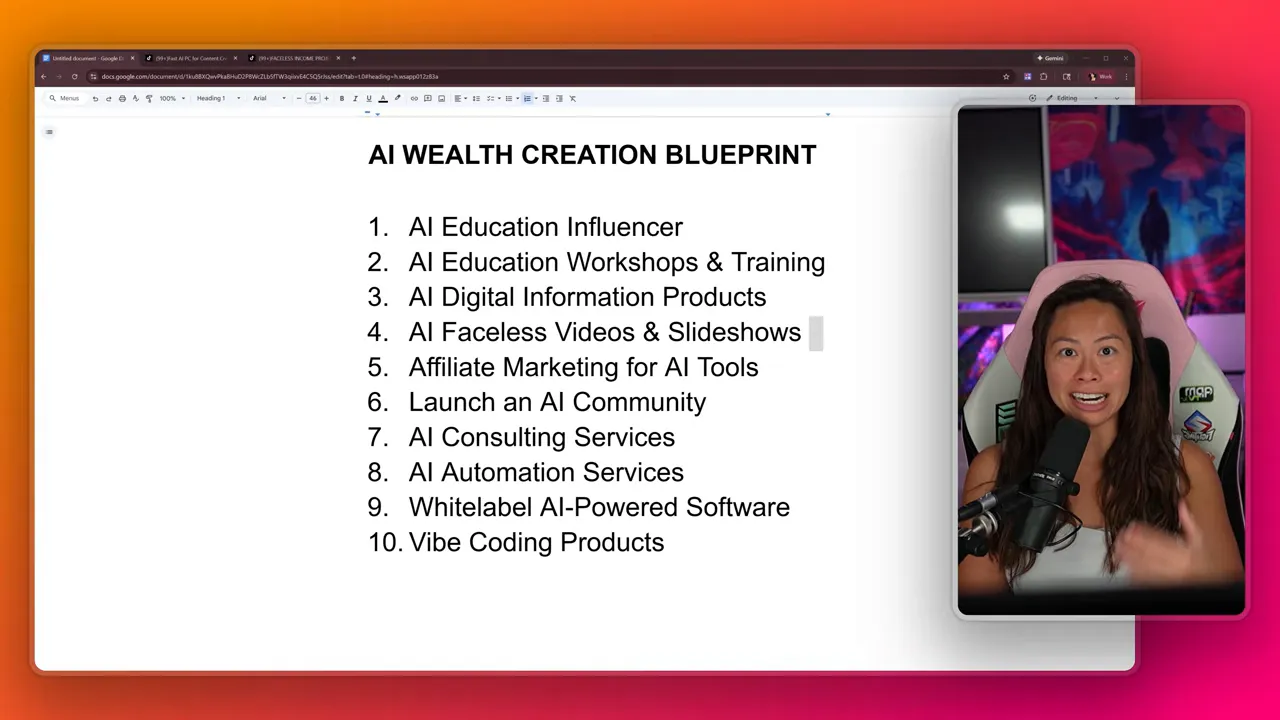
This is the foundation. You don’t need to be the smartest person in the room. You need to be learning publicly, honestly, and consistently. Teach one new AI concept, prompt, tool, or workflow, then share the experiment and outcome. Repeat it every day.
Why this works
- Low barrier to entry. No code, no special credentials, just curiosity and a willingness to share.
- Compound attention. Every honest, useful post grows your authority and brings inbound opportunities.
- Multiple monetization paths. Sponsorships, affiliate links, course sales, paid communities, and consulting often start here.
What to post
- Short tutorials: a prompt that solves a niche problem, a clever automation, or a new tool demo.
- Transparent experiments: what you tried, what worked, what failed.
- Case studies and breakdowns of tools or scripts used to get results.
30‑day starter plan
- Pick one platform—TikTok is recommended for speed of learning the creator skillset.
- Commit to a daily rhythm: learn one thing, post one thing. Aim for high volume early.
- Collect feedback and refine topics that get traction. Turn successful short content into longer YouTube or newsletter posts.
Path 2 — Paid workshops, training, and speaking
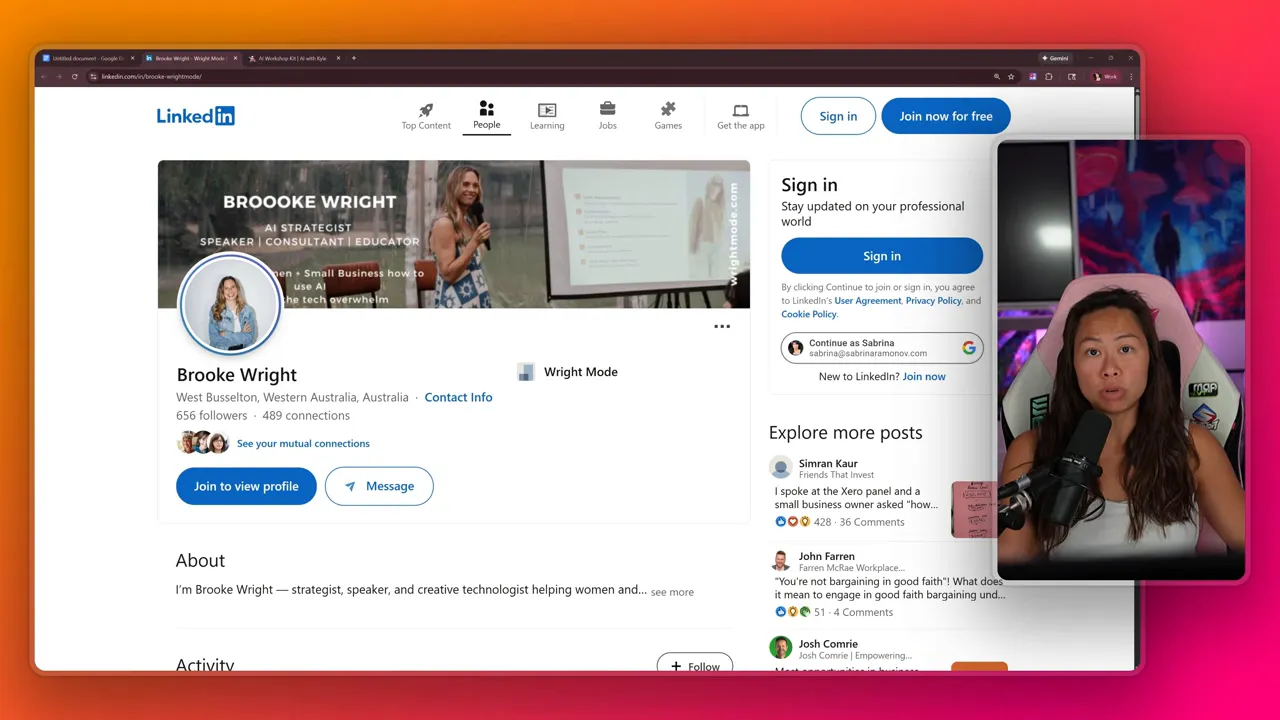
Businesses crave clarity. They are hearing the buzz about AI and need practical help to adopt it. Workshops, speaking gigs, and bespoke training sell because they convert FOMO into concrete, actionable roadmaps your clients can implement right away.
Why clients pay
- They want a fast path to upskill teams.
- They want an actionable adoption roadmap not speculative theory.
- Workshops are measurable: attendees leave with templates, prompts, or automations they can implement.
What to offer
- Introductory company bootcamps for nontechnical teams.
- Industry‑specific playbooks (sales, support, marketing, operations).
- Train‑the‑trainer workshops so companies internalize knowledge.
Pricing examples
Workshops commonly range from $1,500 to $4,000 per session for small to medium businesses. Packaged workshop kits and repeatable templates can command higher prices.
Path 3 — Sell AI digital information products
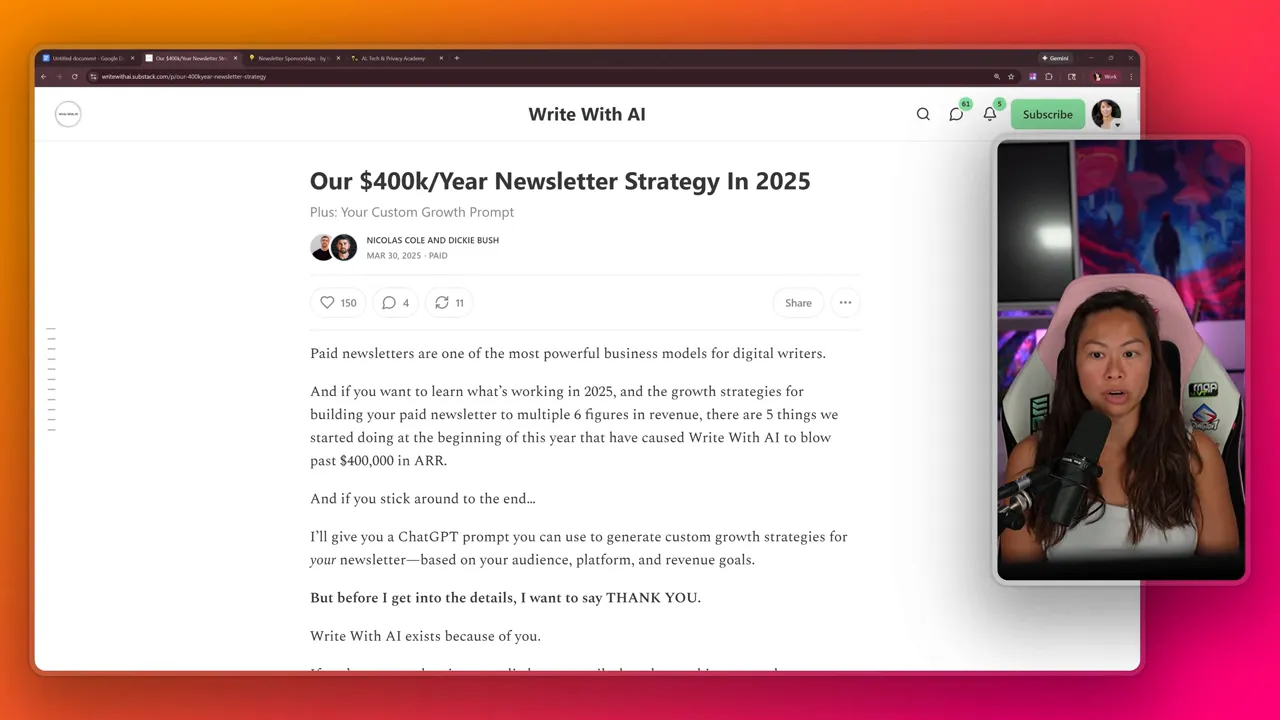
Once you build an audience, information products are a natural, scalable next step. These include prompt libraries, workflow templates for automation tools, cohort courses, and paid newsletters.
Successful examples
- Paid prompt collections for writers and creators that package high‑quality ChatGPT prompts behind a paywall.
- Cohort training for niche topics like AI governance or AI for customer success.
- Subscription newsletters with paid, premium content and shortcut playbooks.
How to design a sellable product
- Solve one specific problem for a defined audience.
- Use AI to produce drafts, marketing copy, and templates—but validate manually.
- Build a simple funnel: free content → low‑cost lead magnet → paid product.
Path 4 — Faceless AI videos and slideshows
Faceless content lets creators produce viral videos without showing their face. The misconception is that platform payouts are the main revenue, which is rarely the case. The real money is in linking that viral traffic to an offer: an app, a course, an affiliate link, or a paid community.
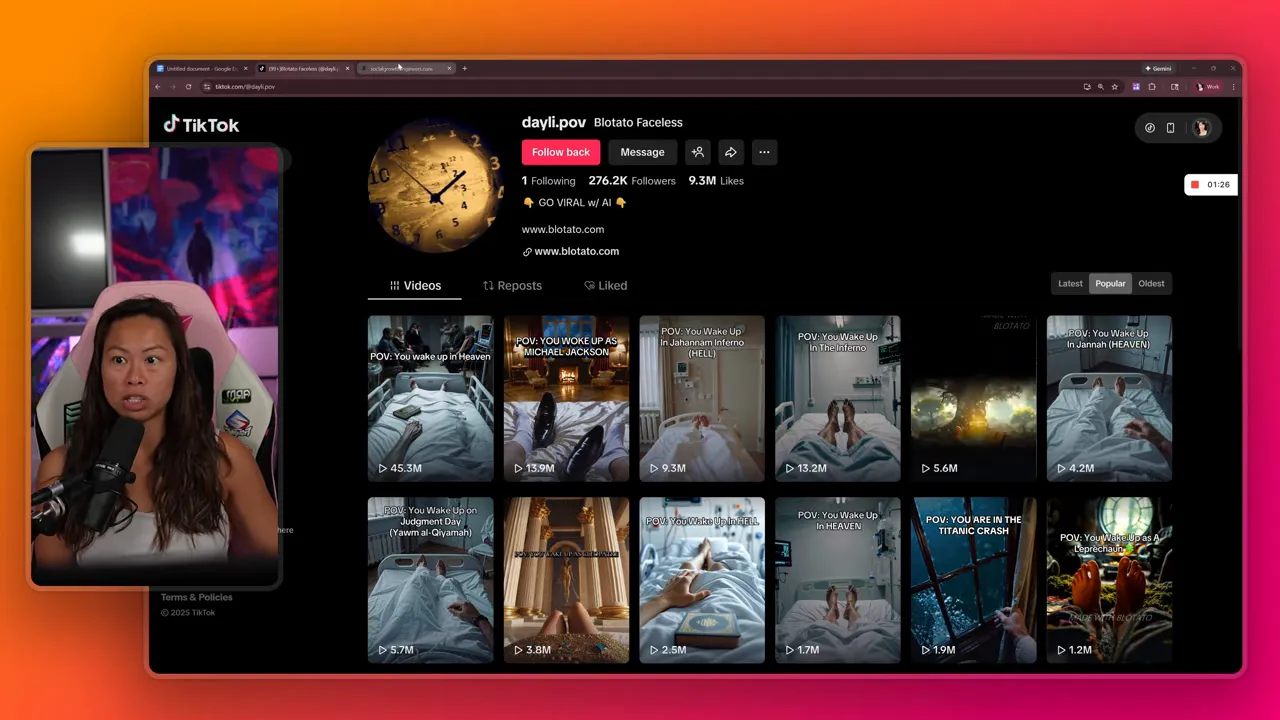
Tools and formats
- Sora2, VO3, Nano Banana 2, and similar tools for realistic video scenes and slideshow generation.
- Viral hooks, short captions, and slides that deliver a clear emotional or informational payoff in the first few seconds.
Monetization strategies
- Drive viewers to a landing page for your product or community.
- Use faceless videos to funnel users into affiliate offers or email lists.
- Combine faceless scale with high‑touch offers: free webinar → paid workshop → community subscription.
Reality check
Large faceless accounts often have a human creative team behind them. The tools lower cost and speed up iteration, but someone must test hooks, formats, and calls to action.
Path 5 — Affiliate marketing for AI tools
If you love a product, promote it. Affiliate marketing is an excellent way to learn marketing, refine your messaging, and make money without building a product. Look for programs that offer significant first‑month commissions or recurring payouts.
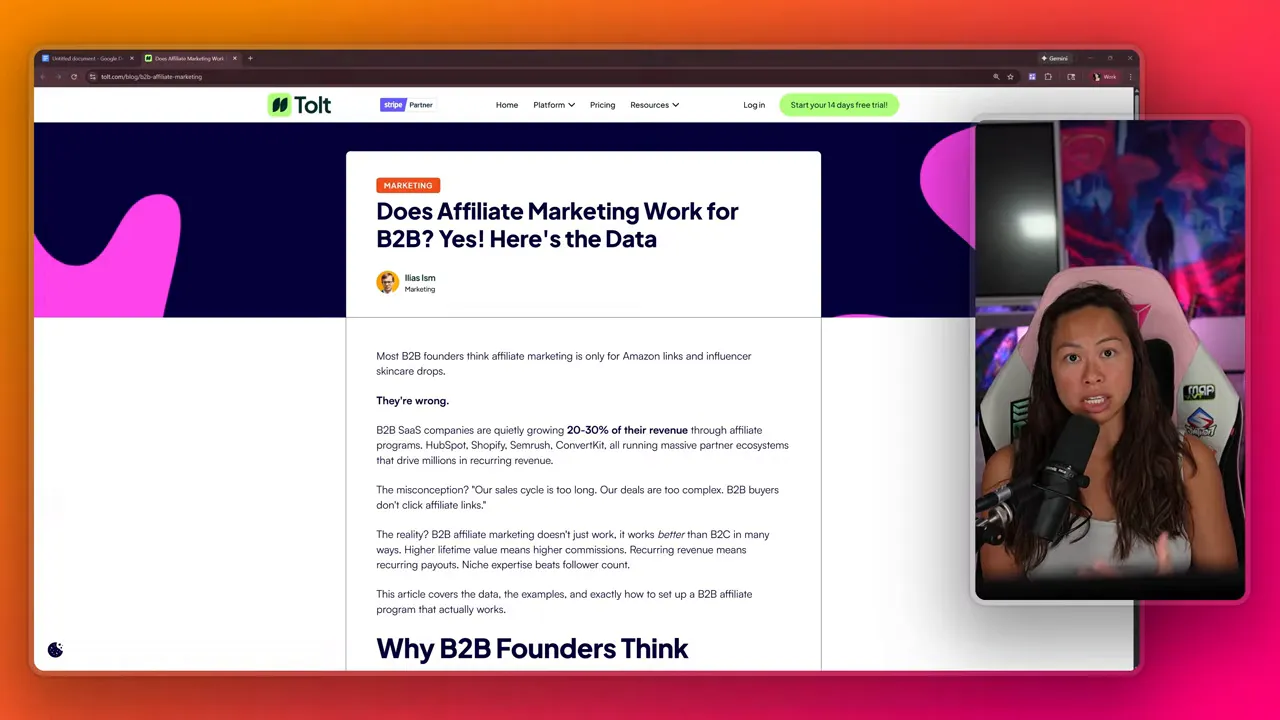
How to do it right
- Create high‑quality tutorial content that genuinely helps people decide if a tool suits their needs.
- Be selective. Promoting poor tools erodes trust.
- Use long‑form guides and YouTube deep dives for higher‑intent buyers, with affiliate links in descriptions or resource pages.
Example structures
- “How I use Tool X to generate content” — a tutorial with case results and a sign‑up link.
- Monthly roundup: “Best AI tools for small agencies” with affiliate links and usage examples.
Path 6 — Launch an AI community
Paid communities are one of the highest‑leverage monetization models. People pay for access to insiders, templates, accountability, and networks of other high‑intent members. Platforms like School have made discovery easier and consolidated many communities in one place.
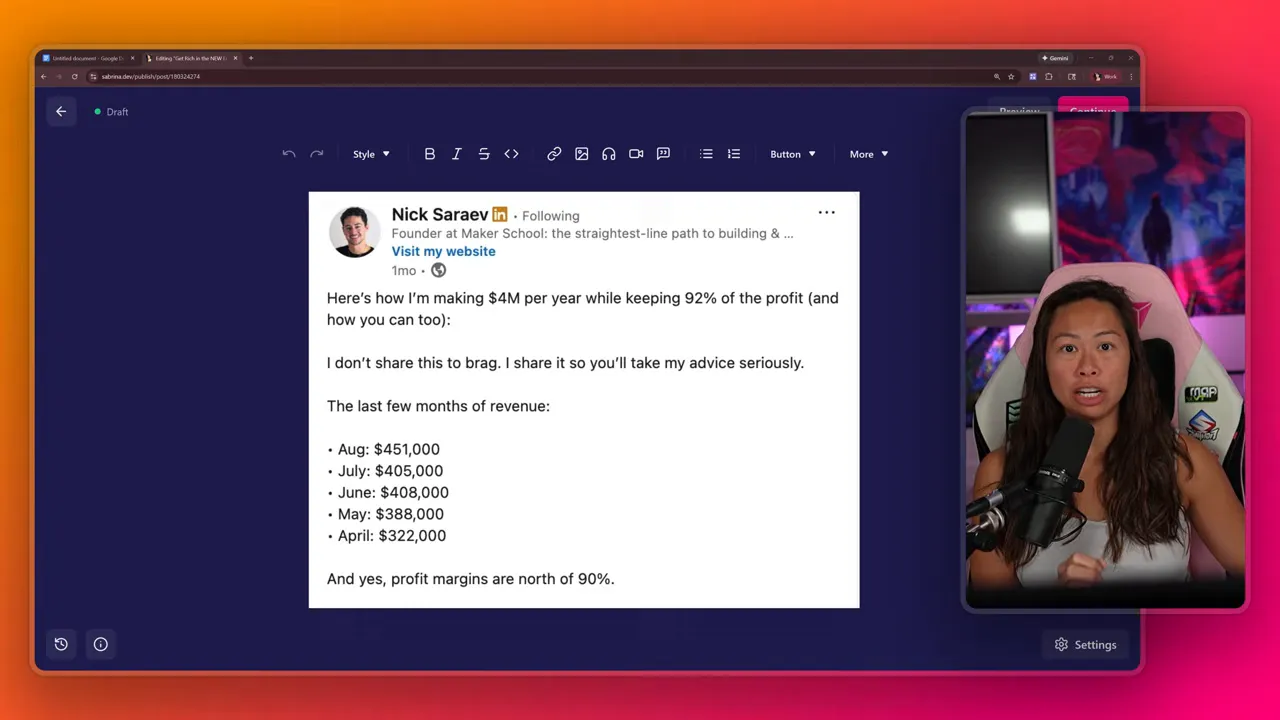
Why this scales
- Communities retain members when the content and network produce ongoing value.
- Low marginal cost: once you create the content and systems, recurring membership fees become highly profitable.
- Communities can be the primary driver of product feedback, beta users, and referrals.
How to structure a community
- Monthly membership with tiered access (onboarding docs, templates, weekly calls).
- One weekly live call and a focused content cadence to keep members engaged.
- Specialized channels or cohorts for verticals, use cases, or automation projects.
Path 7 — AI consulting services (no code required)
Consulting is often misunderstood as needing heavy technical chops. Many successful consultants act as translators: they map business workflows to AI opportunities, deliver a roadmap, and help hire or manage teams that implement the technical work.
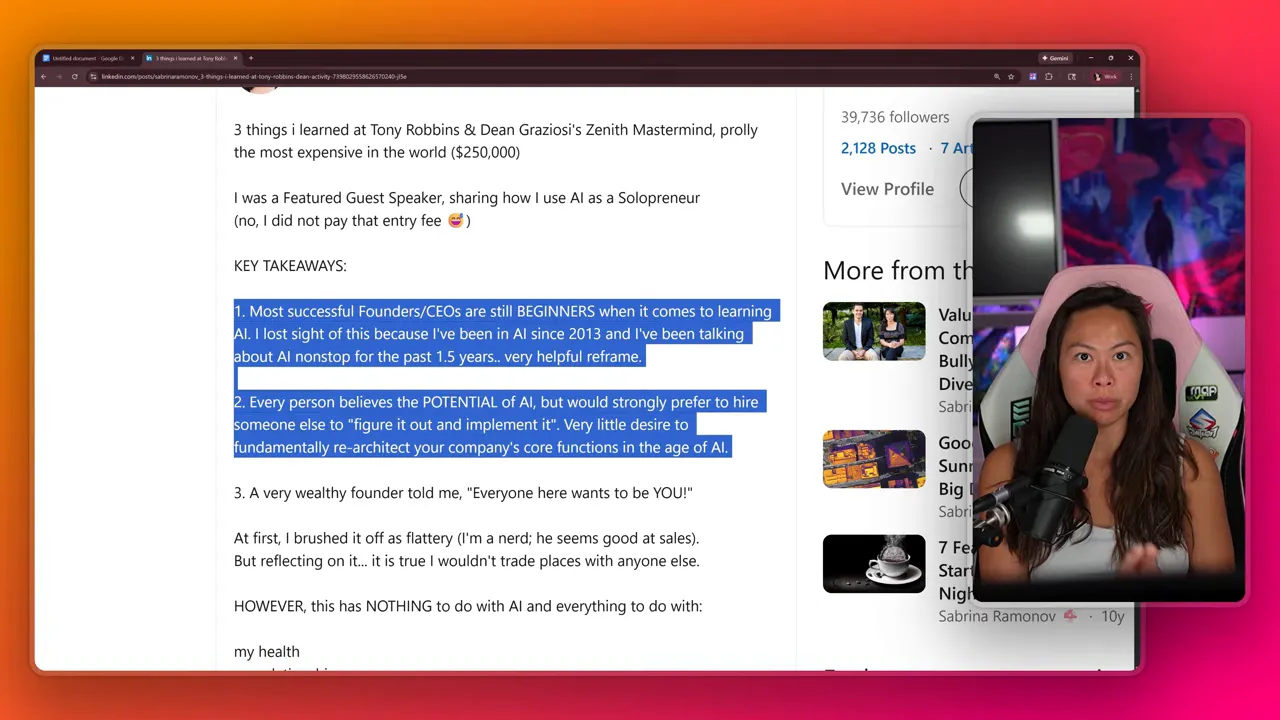
What clients value
- Clear gap analysis explaining where AI will drive measurable impact.
- Prioritized roadmap with easy wins, followed by higher‑impact automation projects.
- Support finding vendors, hiring internal talent, and specifying roles and responsibilities.
Typical services
- AI adoption roadmaps and prioritization workshops.
- Upskilling courses tailored to the company’s tech stack and use cases.
- Vendor selection and vendor management for implementation.
Path 8 — AI automation services and agencies
This is the technical side of monetizing AI. If you enjoy building workflows, connecting APIs, and solving data integration problems, automation services can be lucrative. Tools like N8N and Make.com are commonly used, and Python scripting often complements those platforms.
Common paid automations
- Lead qualification via WhatsApp or web chat that funnels into a CRM.
- Automated content pipelines that generate and publish content from prompts and templates.
- Browser scraping, custom data parsing, RSS monitoring, and personalized outreach flows.
Why it’s messy
Every company has different legacy systems, APIs, and integrations. Building and maintaining automations often requires debugging, custom workarounds, and an appetite for operational glue work. If you enjoy troubleshooting and iterating with clients, this can be a stable, high‑margin business.
How to start
- Learn one orchestration tool deeply (N8N or Make.com).
- Practice by building 3 real automations for your own projects or friends.
- Document the before and after: hours saved, errors reduced, or revenue gained to use as sales proof.
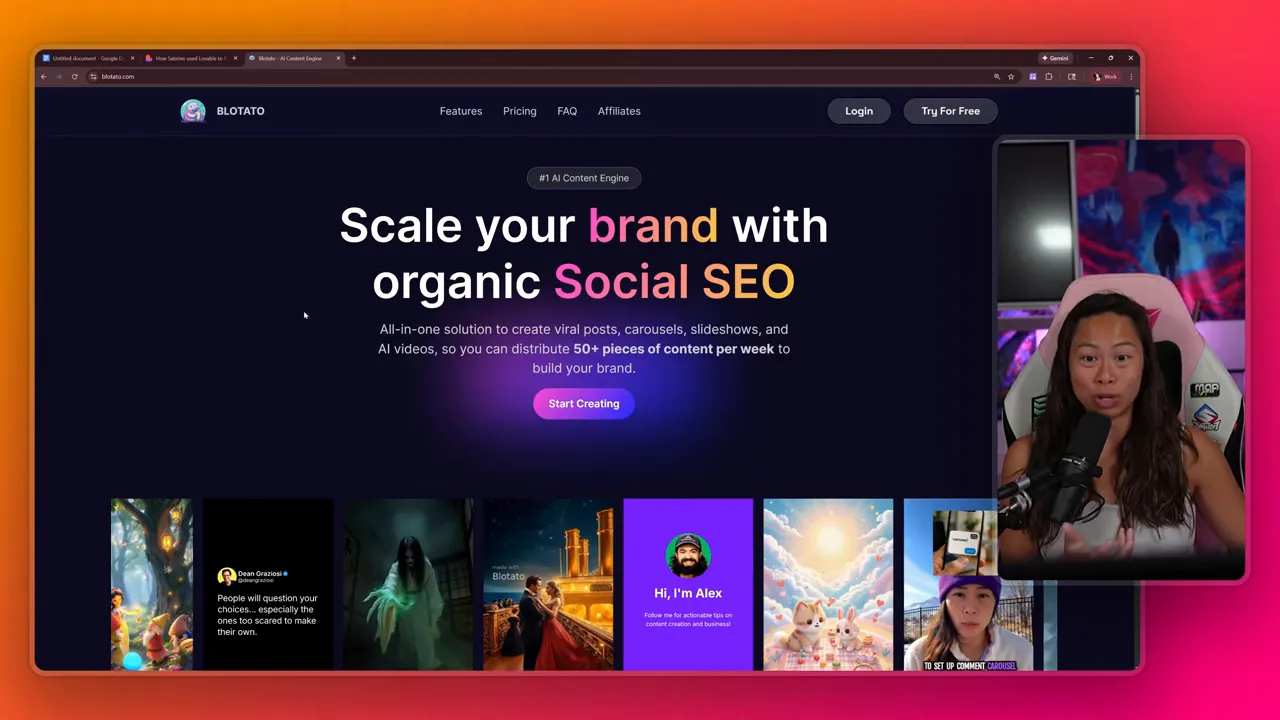
Path 9 — White labeling AI software for specific verticals
You don’t need to build software from scratch to sell software. White labeling existing platforms and tailoring them to verticals can be a very profitable agency or productized service model. GoHighLevel is a popular example where people build verticalized stacks and sell monthly subscriptions plus setup fees.
How the model works
- Create a preconfigured snapshot for a niche: real estate, HVAC, dental, insurance, and so on.
- Include AI workflows like lead qualification, appointment setting, automated follow up, and support conversations.
- Charge an initial setup fee plus a recurring monthly management or licensing fee.
Key challenges
- Technical complexity of the platform and ongoing client support.
- Need to demonstrate measurable ROI for clients to reduce churn.
- Upfront work to build reliable, easy‑onboarding templates.
Path 10 — Vibe coding and AI‑assisted product builds
Vibe coding uses AI to accelerate building MVPs and simple SaaS products. This is the highest barrier and the highest upside. If you can build a SaaS that reaches $1M ARR, acquisition multiples can put the payout in the millions.
How to avoid common mistakes
- Don’t start with a massive product spec. Start with one single feature that solves a clear pain point.
- Iterate quickly: launch a minimal version, test, then add one small feature at a time.
- Use AI to speed up development but validate demand before scaling the product.
Beginner to intermediate tools
- Cursor, Cloud Code, Gemini, or Codex for assisted coding tasks.
- No‑code builders and low code platforms for rapid prototyping.
Realistic expectations
Vibe coding requires product judgment, distribution, and a long runway. Many successful founders first built an audience and distribution before they built a product. Distribution makes building and scaling a product dramatically easier.
The AI wealth creation flywheel
These paths fit together into a flywheel. Here is the practical flow that creates momentum:
- Create free AI education content. Day one: learn. Day two: share. Repeat.
- Turn attention into a productized offering. Workshops, paid newsletters, or templates.
- Use your audience to test higher‑touch offers. Communities, consulting, or SaaS products.
- Double down on the formats and channels that work. Volume matters—rapid iteration improves your creative intuition and discoverability.
Distribution: why social first matters
Social media is the cheapest and fastest route to distribution today. Start on the platform that accelerates your learning as a creator. TikTok is recommended because the algorithm accelerates creative skill acquisition and rewards high volume experimentation.
Posting frequently collects the data you need to understand what works. Volume is the invisible multiplier that helps you iterate toward a repeatable content formula.
Mindset and timeline
Shortcuts are rare. The people who build durable success commit to a multi‑year timeline. The recommended horizon is at least one year to get initial momentum and ideally five years to build significant equity.
Actionable mindset shifts:
- Stop waiting for the perfect toolset. Tools are secondary to consistent output.
- Embrace public learning and transparency. People prefer real progress to polished expertise.
- Be willing to tolerate early failures and iterate quickly.
Specific tactical advice: next 30 days
- Choose your primary path. If you’re new to AI, prioritize Path 1 for the first 3 to 12 months.
- Pick one platform and one format. For example, TikTok short clips or LinkedIn how‑tos.
- Follow the learn‑then‑share loop: every other day, post a lesson from something you tested.
- Collect a minimum viable audience and then launch a simple paid offer: a 60‑minute workshop or a prompt pack.
Tools to learn by path
- Creators and education: ChatGPT, Claude, Gemini; screen recording and editing apps.
- Workshops and consulting: slide design tools, Loom, Zoom, and simple templates.
- Automation and engineering: N8N, Make.com, Python scripting, APIs, web scraping basics.
- Faceless videos: Sora2, VO3, Nano Banana 2 for slideshows and synthetic visuals.
- Vibe coding: Cursor, Cloud Code, Codex, and no‑code builders for landing pages and MVPs.
Examples and screenshots for inspiration
Look for creators who have turned daily learning into a productized business. Use case studies of viral faceless formats, affiliate content that genuinely helps, and communities with a lean maintenance cadence to model your approach.
Common pitfalls and how to avoid them
- Rushing to monetize: Build attention first. Monetize once you have consistent demand.
- Trying to do everything: Pick one path and commit. You can pivot later.
- Tool obsession: Tools do not create momentum. Posting and iterating does.
- Underpricing high value work: Charge for measurable outcomes: time saved, leads generated, or revenue increased.
- Burnout from doing it all alone: Use AI to scale content and tests, then hire specialists for implementation or maintenance.
How the money typically flows
- Sponsorships and brand deals for creators with large audiences.
- Paid workshops and corporate training for clear B2B value.
- Recurring subscriptions from communities or SaaS products.
- One‑time setup fees plus monthly maintenance for white labeling or automation services.
- High multiples on ARR if you build and sell a SaaS product.
Final checklist before you start
- Pick your entry path—if unsure, start with AI education content.
- Create a daily content rhythm: learn one thing and share one thing.
- Measure: track engagement, signups, workshop attendees, and conversion rates.
- Iterate: double down on formats that show traction, drop those that don’t.
- Commit to volume for at least 12 months. Treat year one as data collection and audience building.
FAQ
How do I pick which of the 10 paths is right for me?
Start by assessing two things: your tolerance for technical work and your desire to create public content. If you are nontechnical and want the quickest path to opportunities, start as an AI education creator. If you love building systems and debugging integrations, automations or vibe coding may be a better long‑term fit.
Do I need to be an AI expert to make money?
No. Most people pay for clarity and practical implementation, not academic expertise. Being a few steps ahead of your audience and sharing honest experiments is often enough to create value and income.
Which platform should I use first?
TikTok is recommended to accelerate your creative muscle because the algorithm favors experimentation and volume. Cross‑post to Instagram and YouTube once you have proven formats and longer content to repurpose.
How much should I post?
Volume accelerates learning. Try posting multiple times per day early on—aiming for at least 3 to 5 posts daily for the first few months if possible. Adjust as you find a sustainable pace that still delivers consistent output.
What if my audience is not on social media?
Almost every audience is reachable via social channels in some form. C-level executives, founders, and employees all use social media for professional discovery. Focus on the platform where your target audience consumes content and tailor your format for them.
How soon can I expect revenue?
Timeline varies. With consistent work, small revenue (workshops, affiliate sales, first consulting gigs) can appear within months. Meaningful, scalable income typically takes 12 months or more of steady effort to build an audience and refine offers.
Should I learn to code to work with AI?
Not necessarily. Many high‑value roles like education, workshops, strategy, and community management do not require coding. Coding becomes important if you want to build automations, white labeled software, or a SaaS product.
How do I get clients for consulting or automation work?
Start with inbound: publish case studies, host workshops, and document wins. Your content will attract leads. You can also test outbound on platforms like Upwork, LinkedIn, and targeted outreach once you have proof of concept.
Can I combine multiple paths?
Yes. Many successful creators combine paths: create educational content, run paid workshops, sell templates, and eventually launch a community or product. Start with one path as your core, then layer others as you gain traction.
What are some first offers I can create quickly?
A one‑hour paid workshop, a prompt pack, a small prompt engineering checklist, or a 30‑day prompt calendar are fast to produce and validate. Use AI to draft the content, then polish and test with early paying customers.
Closing notes
AI is a lever, not a magic button. The most consistent path to building income starts with attention: show up, learn publicly, and help the person who is a step behind you. Commit to volume, practice transparency, and choose a monetization path that fits your skills and temperament. With patience and consistent effort, the distribution and revenue will follow.
Pick one path, start the learn‑then‑share loop today, and let the compounding flywheel do the rest.


0 Comments